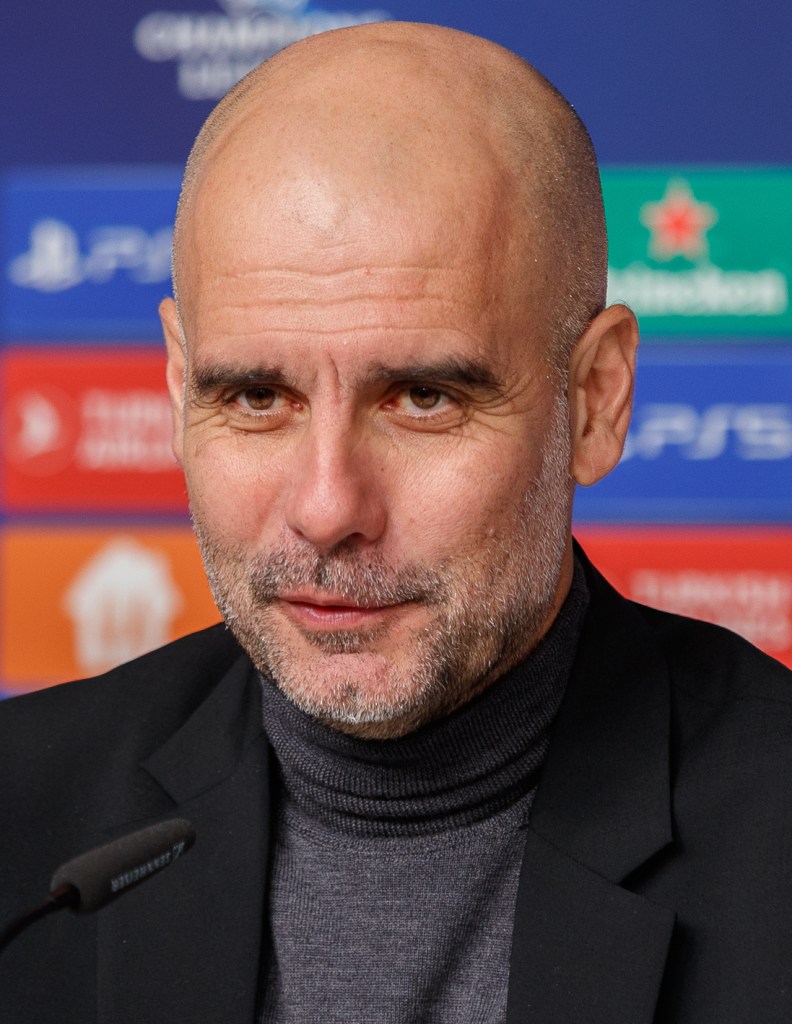
It has been fuckin fun.”
Pep Guardiola’s own assessment of his decade at Manchester City is raw, unfiltered and perfectly aligned with the sheer chaos and beauty of what he built in English football. For ten seasons, he turned City from ambitious pretender into an era‑defining machine that changed how the Premier League is played, watched and even talked about. Arrival and the shock of adaptation When Guardiola arrived in 2016, he walked into a club with resources and ambition but without a true footballing identity at the very top level. He came carrying the weight of his Barcelona and Bayern legacy, with many doubting whether his intricate positional play could survive the speed, weather and physicality of the Premier League. His first season was a reality check: no trophies for the first time in his managerial career, defensive frailties exposed, and questions over whether his idealism could bend to English football
What made this dominance different was the manner of it. City became synonymous with 90‑plus points, relentless winning streaks and title races where one dropped point felt like a crisis. Guardiola’s standards did not allow comfort; every season was a new tactical evolution rather than a victory lap.
Europe, history and the treble
If the league became Guardiola’s playground, Europe became his obsession. City had been relative newcomers to the Champions League’s sharp end; under him, they grew into perennial contenders. There were painful exits, tactical over‑complications and nights where the project looked cursed on the continental stage.
All of that made the eventual breakthrough even more symbolic. In 2023, Guardiola guided City to the treble—matching Manchester United’s fabled 1999 achievement and completing a transformation that once felt unthinkable when City were miles behind their neighbors. That Champions League triumph, layered on domestic dominance, crystallized his legacy as the architect of the club’s greatest era.
Style, culture and a new standard
Beyond trophies, Guardiola reshaped how City—and by extension English football—thought about the game. His teams blurred positions: full‑backs stepping into midfield, center‑backs dribbling into the final third, and midfielders rotating like a carousel. Possession was never just about keeping the ball; it was about control, territory and suffocating opponents mentally as much as physically.
Inside the club, he set a culture of relentless improvement. Staff around him describe a decade that was demanding, draining and yet deeply inspiring— “The City Decade” marked by constant tactical innovation and an unshakable drive to chase history. Even as the years wore on, he refused to let standards slip, insisting that every training session, every cup tie and every league match mattered.
Farewell, legacy and the “fucking fun” decade
By the time he decided to walk away after ten seasons, Guardiola had become the most successful manager in Manchester City’s history by a distance. He didn’t just win; he stretched the club’s imagination of what winning could look like—record points, sustained title races, a treble, and a feeling among fans that they had witnessed something unique.
So when he looked back and said, “It has been so fucking fun,” it wasn’t just a throwaway line—it was a summary of ten years of pressure, joy, conflict and conquest wrapped into one honest sentence. Nineteen to twenty major trophies in a decade, tactical revolutions, and a club permanently altered: for Guardiola, for City and for the Premier League, this was a ride that was demanding and draining—but above all, it really was fuckin fun.


Leave a Reply